Where Better Behavior Begins
Tim’s training philosophy is rooted in his role as a Family Dog Mediator. Rather than relying on a one-size-fits-all method, he takes time to understand each dog’s personality, history, temperament, and learning style, along with the family’s routines, needs, and goals.
He also considers the dog’s home environment and the ways the family and dog interact throughout the day. This broader understanding helps Tim identify what may be contributing to a challenge and create a training plan that feels realistic and useful for that household.
Tim uses a balanced, relationship-based approach that combines positive reinforcement with clear structure, boundaries, and consistent guidance. He treats each dog with the same love and respect he would give his own, and works with families to build understanding, strengthen communication, and support lasting progress.
-
Give your puppy the foundation they need to grow into a confident, responsive, and well-mannered companion. Puppy training focuses on building communication, establishing healthy routines, and helping your puppy understand what is expected of them. It also introduces them gradually and positively to the people, sounds, surfaces, handling, and everyday experiences they’re likely to encounter, helping them feel more comfortable and confident as they grow.
Puppy training may include:
Leash introduction and walking skills
Crate training
Potty training
Sit, down, stay, come, and drop it
Name recognition and focus
Appropriate chewing and play behaviors
Socialization with people, dogs, and new environments
Gradual desensitization to everyday sights, sounds, handling, and experiences
Household manners and impulse control
Puppy training can take place in your home, in a public setting, or as part of the board-and-train program.
-
Basic obedience training helps dogs develop reliable communication and everyday manners. Tim works with each dog at their current level and creates a training plan that supports both the dog’s learning style and the family’s lifestyle.
Training may include:
• Sit, down, stay, and come
• Leash walking
• Place training
• Recall development
• Drop it and leave it
• Door manners
• Impulse control
• Focus and engagement
• Polite greetings
• Household boundaries -
Advanced obedience builds greater reliability, focus, and responsiveness in more challenging environments. This level of training is designed for families who want their dogs to listen consistently around distractions and demonstrate stronger off leash skills.
Advanced training may include:
• Off leash obedience
• Reliable recall
• Distance commands
• Training around people, animals, and environmental distractions
• Advanced place and stay work
• Public manners
• Improved focus and responsiveness
• Preparation for travel by car, train, or airplane
• Developing appropriate bowel and bladder control for travel
• Greater freedom through dependable obedience -
Behavior modification is designed for dogs who struggle with fear, anxiety, overexcitement, frustration, or other challenging behaviors. Tim takes the time to understand what may be contributing to the behavior before creating a thoughtful and individualized training plan.
Behavior support may address:
• Reactivity toward people or other dogs
• Excessive barking
• Jumping and overexcitement
• Fearful behavior
• Resource guarding
• Destructive behavior
• Impulse control
• Difficulty settling
• Anxiety related behaviors
• Challenges adjusting to new situationsThe goal is not simply to suppress behavior. It is to help the dog develop improved coping skills, clearer communication, and greater confidence while giving the family practical tools they can continue using at home.
-
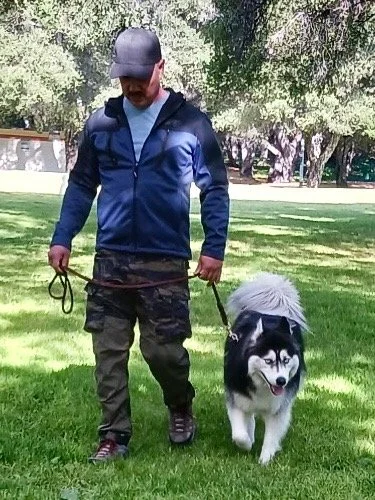
Leash walking should be safe, manageable, and enjoyable for both the dog and the person holding the leash. Tim helps dogs develop better focus, engagement, and responsiveness while teaching families how to navigate common distractions.
Training may support dogs who:
• Pull on leash
• Lunge at people or dogs
• Bark during walks
• Become overwhelmed in public
• Struggle to pass other dogs
• Become overly excited by movement, sounds, or new environmentsTraining plans are adjusted to the dog’s individual needs and may include structured walks, confidence building, attention exercises, impulse control, and gradual exposure to challenging situations.
-
Dogs experiencing separation anxiety may panic, vocalize, become destructive, attempt to escape, or struggle to remain calm when left alone. Tim helps families understand their dog’s individual needs and develop a gradual plan to build comfort, confidence, and independence.
Support may include:
• Creating a predictable home routine
• Teaching calm settling behaviors
• Building independence gradually
• Improving crate comfort when appropriate
• Reducing dependence on constant attention
• Developing healthy departure and return routines
• Helping the family recognize and respond to stress signalsSeparation anxiety can require patience and consistency. Training is paced carefully to support the dog without overwhelming them.
-
Socialization helps dogs learn how to feel more comfortable and confident around people, dogs, places, sounds, surfaces, and everyday experiences. Proper socialization is not about forcing interaction. It is about helping the dog safely process the world around them.
Socialization may include exposure to:
• Other dogs
• Children and adults
• Traffic and city sounds
• New surfaces and environments
• Grooming and handling
• Car rides
• Public spaces
• Household sounds and activities
• New sights, smells, and experiencesThe goal is to help dogs become more adaptable, emotionally balanced, and comfortable in a variety of settings.
-
Bringing home a new dog or rescue dog can be rewarding, but the transition may also come with uncertainty, fear, confusion, or challenging behaviors. Tim helps families create a supportive structure while giving the dog time to adjust to their new environment.
Training may focus on:
• Establishing household routines
• Building trust and communication
• Introducing crates and boundaries
• Supporting decompression and adjustment
• Addressing fear or insecurity
• Introducing the dog to family members and other pets
• Creating clear expectations
• Developing confidence and independenceEach dog is allowed to progress at an appropriate pace while learning what it means to feel safe and connected in their new home.
-
Service dog training is highly individualized and focuses on teaching dogs the reliability, focus, manners, and specialized skills necessary to assist with a person’s disability related needs.
Training may include:
• Public access manners
• Calm behavior in stores, restaurants, and other public settings
• Ignoring distractions
• Leash skills and positioning
• Task specific training
• Retrieval and assistance behaviors
• Alerting behaviors
• Interrupting or responding to specific symptoms
• Settling quietly for extended periods
• Traveling appropriately in public transportation and other settingsService dog training is customized according to the individual’s needs, the dog’s temperament, and the tasks being considered. Not every dog is suited for service work, so Tim begins by evaluating the dog’s temperament, behavior, health, learning ability, and overall suitability for this type of training.
-
For families seeking a more immersive training experience, Tim offers a board and train option in which the dog stays in his home and receives structured training throughout the day.
Board and train may include:
• Potty training
• Crate training
• Leash walking
• Sit, down, stay, and come
• Drop it and leave it
• Recall development
• Socialization with other dogs
• Household manners
• Impulse control
• Confidence building
• Behavior support
• Preparation for continued training at homeThe family’s participation is an important part of the process. At the conclusion of the program, Tim provides guidance so the dog’s new skills can be maintained and incorporated into everyday life.